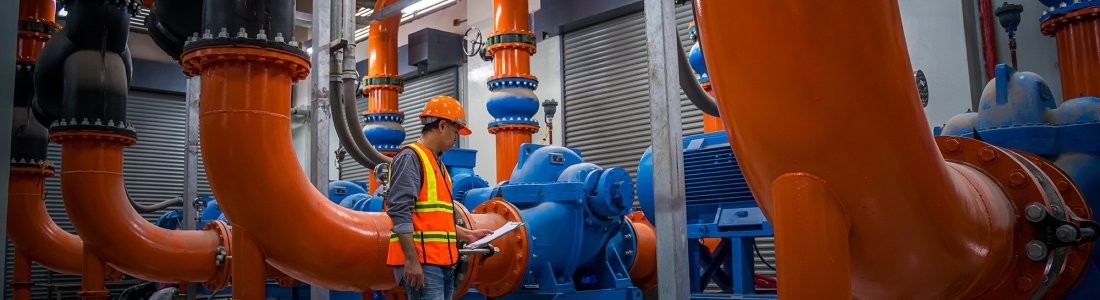
INDUSTRIAL MAINTENANCE & REPAIR
- Manufacturing and modification of stainless steel, carbon steel, PPR, and PVC piping systems
- Improvement of machinery and equipment
- Scheduled maintenance for machinery and equipment
- Manufacturing of auxiliary equipment for facility needs
- 24/7 intervention guarantee
Maintenance is work that is carried out in all workplaces, especially in factories with intensive production, and carries a high risk in terms of occupational safety. Maintenance work is critical to the health and safety of workers. Care must be taken in maintenance work, which carries great risk. According to 2010 data from the European Agency for Safety and Health at Work (EU-OSHA), 10-15% of all fatal accidents and 15-20% of all workplace accidents are related to maintenance work. Therefore, all safety precautions must be taken prior to maintenance work. Maintenance is necessary to ensure the continuity of production, to provide high quality services and products and to keep businesses competitive. At its core, regular maintenance is essential to keep equipment, machinery and the working environment safe and solid. Inadequate or insufficient maintenance can lead to hazardous situations, accidents, health issues, and even major disasters. Maintenance tasks, especially in manufacturing facilities operating six days a week with three shifts running 24 hours a day, should be planned in advance with critical materials prepared beforehand. Critical material lists should be created and these products should be kept in the maintenance warehouse. In the event of failures in machines with no alternatives, repairs are rushed due to the race against time. When there is a need to commission the machine as soon as possible, some points can be overlooked and this can lead to danger. Critical materials should be backed up and used to reduce downtime in the event of a breakdown. Thus, there will be more time for maintenance and repair and there will be no rush. Especially in electrical faults, no intervention should be made except by authorized personnel. Electricity is a risk in itself and if the necessary precautions are not taken, work accidents may occur that may lead to death. All PPE (Personal Protective Equipment) must be used before intervening in an electrical fault. Faults should not be intervened in machines or electrical panels without discharging all energy. A warning sign stating "Unauthorized personnel are prohibited from interference" must be placed on panels. The doors of large electrical panels should be kept locked, with keys accessible only to authorized personnel.
The most common types of accidents in maintenance and repair work are as follows:
- Electric shock or electrocution
- Injuries caused by moving machine parts
- Poisoning or suffocation due to exposure to harmful gases and dust
- Accidents involving explosions, fires, or burns
- Falls from heights
- Failure to use Personal Protective Equipment

We care about people and the environment
and approach them with sensitivity.